How to Benefit from Professional Glass Installation
Last Updated: October 25, 2026
Quick Summary
Professional glass installation ensures precision, safety, and long-term durability by using specialized tools, accurate measurements, and proper sealing techniques that prevent leaks, drafts, and structural problems. A professionally installed window or glass panel performs reliably for 15-20 years or more, while poor fitting leads to premature failure and costly repairs.
- Accurate measurements and proper frame alignment prevent stress points where glass can crack or seals can fail.
- Double glazing only delivers energy savings if installed correctly; poor installation compromises the seal and negates insulation value.
- Professional glaziers follow Australian building regulations and provide public liability insurance and workmanship warranties that protect your property.
- Water infiltration through windows is prevented by proper glazing seals, frame-to-wall flashing, and drainage paths in the frame.
- A qualified glazier holds a Certificate III in Glass and Glazing or equivalent and can explain how AS 1288 and AS 2047 apply to your job.
Table of Contents
- Why Professional Glass Installation Matters for Your Property
- Safety and Building Compliance in Professional Installation
- Precision, Accuracy, and Long-Term Durability
- Energy Efficiency and Weatherproofing Benefits
- Window Glass Replacement: When and Why Professional Fitting Counts
- How to Choose a Glazier for Your Small Business Needs
- Benefits of Hiring a Glazier: Credentials, Insurance, and Warranties
- Getting Your Free Quote and Starting Your Glass Installation
- Frequently Asked Questions
Why Professional Glass Installation Matters for Your Property
When a window breaks or a mirror cracks, your first instinct might be to handle it yourself.
At Mr Glass Services, we've spent over a decade helping homeowners and business owners across South East Queensland with professional glass installation.
Whether you're replacing a broken window, upgrading to double glazing, or installing custom shower screens, installation quality determines performance. Poor fitting leads to leaks, drafts, noise, and accelerated wear; professional glass installation keeps glass secure, weatherproof, and functional.
Safety and Building Compliance in Professional Installation
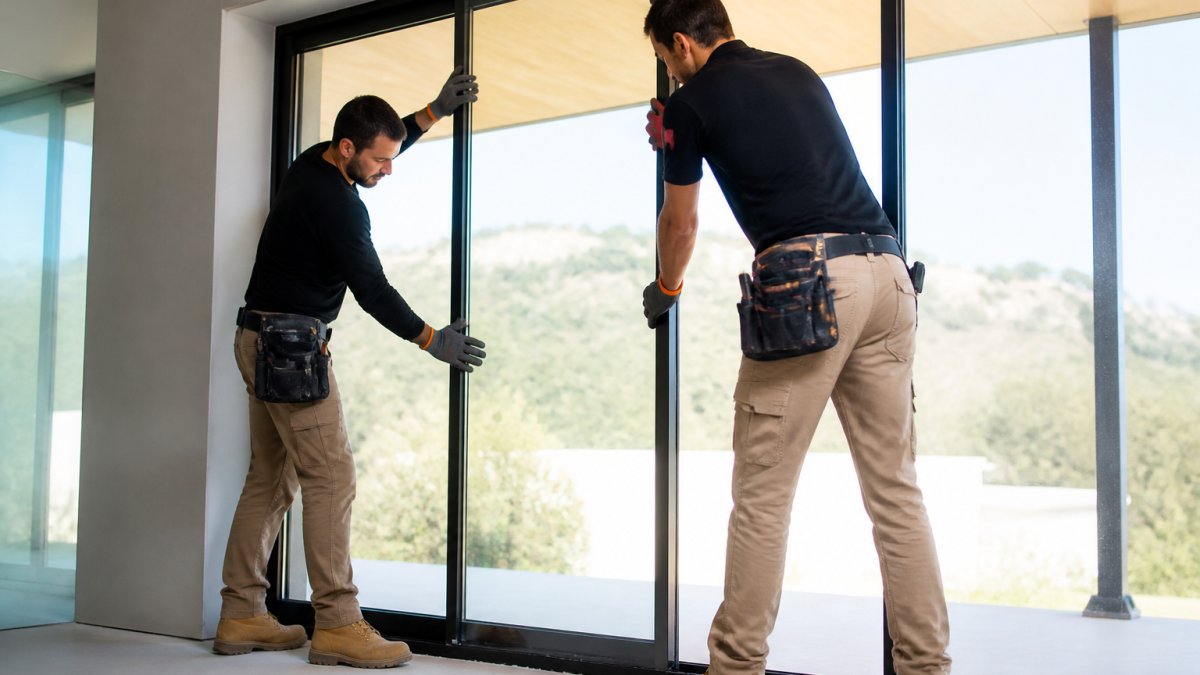
Tempered glass, large panels, and heavy frames require proper technique to prevent breakage, injury, and property damage.
Australian building regulations set minimum standards for window installation, frame alignment, and weatherproofing because poor installation causes water infiltration, structural problems, and energy loss.
Dropped tempered glass can cause serious injury, incorrect frame installation can lead to water damage inside walls, and misaligned panels compromise security and energy efficiency.
Precision, Accuracy, and Long-Term Durability
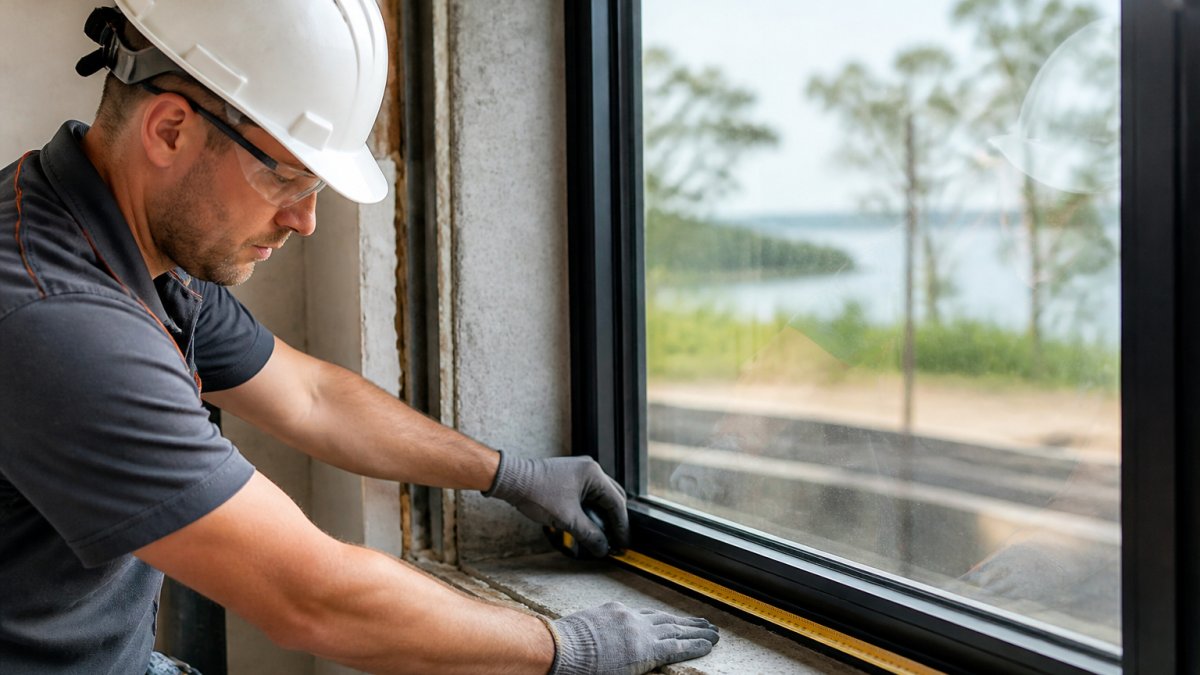
Accurate measurements are the foundation of professional glass installation. A few millimetres can separate a perfect fit from a panel that sits awkwardly.
A professionally installed window or glass panel should perform reliably for 15-20 years or more, while DIY installations often fail much sooner.
Misaligned frames create uneven stress on the glass, causing cracking or seal failure over time.
Energy Efficiency and Weatherproofing Benefits
Modern glass installation directly impacts energy efficiency, but performance depends on matching the right glass specification to your climate, orientation, and room use. Double glazing is only one part of a system that includes the frame, spacer, sealant, and installation method.
Glass options and what they do
- Single-pane float glass offers minimal insulation and is common in older properties. It is inexpensive but prone to condensation and heat transfer.
- Double-glazed units (IGUs) consist of two panes separated by a spacer and sealed at the edges. The trapped air or argon gas layer slows heat transfer. Performance depends heavily on the edge seal remaining intact.
- Low-emissivity (low-e) coatings are microscopic metallic layers applied to one pane. They reflect long-wave heat back into the room in winter and reduce solar heat gain in summer. Low-e glass is typically specified with double glazing rather than instead of it.
A common pattern in Australian homes is double glazing with a low-e coating on western and northern elevations where solar gain is highest, and standard double glazing elsewhere. The right combination depends on orientation, shading, and whether the goal is heating or cooling reduction.
How installation affects energy performance
Double glazing only delivers its energy-saving benefits if installed correctly. Poor installation compromises the seal, allowing air leaks that negate the insulation value:
- Compression of the edge seal during fitting can break the primary seal, allowing moisture into the cavity and causing fogging between panes.
- Incorrect frame alignment creates gaps at the perimeter that let air and water past the glazing, regardless of how good the glass itself is.
- Inadequate back-bedding and sealing around the glass-to-frame interface allows water to track behind the frame and into the wall cavity.
Professional glaziers set glass on setting blocks, maintain correct edge clearance, apply back-bedding compound, and seal the perimeter with compatible sealants. These invisible steps determine whether the unit performs for 15-20 years or fails within a few seasons.
Weatherproofing and water management
Water infiltration through windows is one of the most common causes of interior damage. Australian conditions, wind-driven coastal rain, intense summer storms, and large temperature swings, stress the building envelope. Professional installation addresses water management at three levels:
- The glazing seal, the bond between glass and frame, achieved with compatible sealants and correct preparation.
- The frame-to-wall interface, flashing, sill pans, and sealant that direct water away from the opening.
- Drainage and ventilation, weep holes and drainage paths in the frame that allow any water that enters to escape rather than pool.
A glazier who understands these layers checks existing flashing and sill conditions before fitting new glass and flags problems outside the glazing scope. Skipping this step is a common reason new windows leak within the first wet season.
Noise reduction
Correctly fitted double glazing reduces external noise; the benefit depends on glass mass, air gap width, and perimeter seal integrity. Laminated glass with an acoustic interlayer is often specified near busy roads or flight paths. Improper installation leaves gaps that let sound through, so ask whether standard double glazing or an acoustic laminated specification suits your noise source.
Energy savings over time
A properly installed window system reduces heating and cooling costs by minimising heat loss in winter and heat gain in summer. Actual savings depend on climate zone, insulation, window area, and glass performance, but they are only realised when installation preserves the unit's performance.
Different glass types offer distinct performance characteristics suited to different applications and climates.
| Glass Type | Primary Benefit | Best For |
|---|---|---|
| Single-pane float glass | Inexpensive | Older properties, minimal insulation needs |
| Double-glazed units (IGUs) | Slows heat transfer | Standard residential and commercial use |
| Low-emissivity (low-e) coatings | Reflects heat in winter, reduces solar gain in summer | Western and northern elevations |
| Laminated glass | Holds together when broken, acoustic performance | Safety, security, noise reduction |
| Tempered (toughened) glass | Resists impact, breaks into blunt fragments | Doors, sidelights, low-level glazing |
| Warm-edge spacers | Reduces thermal bridging and condensation | Edge performance in double-glazed units |
Window Glass Replacement: When and Why Professional Fitting Counts
Window glass replacement is one of the most common reasons homeowners call a professional glazier.
Signs replacement is needed include visible cracks, chips, or stress fractures; fogging between panes indicates seal failure, and drafts or water mean replacement may be necessary.
Professional fitting counts for performance and longevity. A hastily installed pane might look fine but fail within months if the seal or frame alignment is off.
How to Choose a Glazier for Your Small Business Needs
Start with credentials and qualifications.
Insurance and warranties are non-negotiable. Your glazier should carry public liability insurance and provide a workmanship warranty, protecting your business if something goes wrong.
Response time is critical for small businesses. A broken storefront or damaged entry door affects your operation immediately.
Ask for references from other small business owners, check online reviews, and ask about projects similar to yours.
Benefits of Hiring a Glazier: Credentials, Insurance, and Warranties
The benefits of hiring a professional glazier extend beyond the quality of the finished work: you're investing in credentials, insurance protection, and workmanship warranties that protect your property. The practical question is how to verify each one before you hand over a deposit.
Credentials: what to ask and what to check
A fully qualified glazier has completed formal training in glass handling, installation techniques, and safety procedures. In Australia, experienced glaziers typically hold a Certificate III in Glass and Glazing or equivalent, meaning they understand building codes, know how to work with different types of glass, and can troubleshoot problems during installation.
A practical checklist for verifying credentials:
- Ask for the qualification, the specific certificate or trade qualification, not just years of experience.
- Ask about licensing requirements in your state or territory, glazing work may fall under building licensing or contractor licensing regimes that vary by jurisdiction. Ask the glazier to confirm they hold any licence required for the work.
- Ask about specific product experience, double-glazed units, laminated safety glass, frameless shower screens, and commercial storefront systems each require different techniques. Experience with one does not automatically transfer to another.
Insurance: what to verify, not just what to ask
A professional glazier carries public liability insurance, so if there's damage or injury during the installation, you're covered, essential protection that DIY work cannot provide.
Verification steps that go beyond a verbal assurance:
- Ask for a certificate of currency, this is the document insurers issue to confirm a policy is active. A verbal "we're insured" is not verification.
- Check the policy is current, certificates have expiry dates. Confirm the date covers your installation window.
- Check the coverage limit, public liability limits vary. For residential work, a common minimum is $5 million, and commercial clients often require $10 million or $20 million. Ask what limit applies and whether it is adequate for your property.
Workmanship warranties: what a warranty should actually cover
Workmanship warranties guarantee the quality of the installation. If a seal fails, a panel cracks, or weatherproofing breaks down due to poor installation, the warranty covers repairs or replacement, your assurance that the glazier stands behind their work.
A workmanship warranty is not the same as a product warranty, and the distinction matters:
- Product warranty covers defects in the glass or unit itself, such as a failed seal in a double-glazed unit caused by a manufacturing fault. This is typically provided by the manufacturer, not the installer.
- Workmanship warranty covers the installer's labour and the quality of the fitting, sealing, and alignment. This is provided by the glazing company.
- Manufacturer warranty terms vary, some double-glazing manufacturers offer 10-year warranties on the sealed unit, while others offer 5 or 15 years. Ask for the written terms and read what is excluded.
Questions to ask about any workmanship warranty:
- What is the duration? A common range for workmanship is 12 months to 5 years, with longer periods for structural elements. Ask for the specific period in writing.
- What is covered? Look for explicit coverage of seal failure, water ingress attributable to installation, frame alignment, and glass breakage caused by installation stress.
- What is excluded? Typical exclusions include damage caused by the customer, impact damage, alterations by third parties, and failure to maintain seals. Understand these before you sign.
How the benefits compound
The benefits of hiring a glazier compound over time: fewer repairs, longer-lasting results, and better performance. That peace of mind is only as strong as the verification you do before work begins, a glazier who welcomes these questions, provides documents promptly, and explains the warranty in plain language is demonstrating exactly the professionalism you are paying for.
Getting Your Free Quote and Starting Your Glass Installation
Getting started with professional glass installation is straightforward. Most glaziers, including Mr Glass Services, offer free quotes so you can understand the scope of work and costs before committing.
The free quote should itemise the scope of work, materials, labour costs, timeline, and warranty so you understand exactly what you're paying for and can compare quotes.
Mr Glass Services brings over a decade of experience and a fully qualified glazier to every project across South East Queensland.
Frequently Asked Questions
Why should glass be installed by a professional glazier rather than attempting DIY?
Professional glass installation requires precision measurement, specialist tools, and knowledge of building regulations. DIY mistakes, misaligned frames, poor sealing, or incorrect glass selection, lead to water leaks, thermal loss, safety risks, and costly repairs. A qualified glazier ensures airtight fitting, proper weatherproofing, and compliance with standards, protecting your property's structural integrity and your investment long-term.
What credentials and insurance should I check before hiring a glazier?
Verify that your glazier holds relevant qualifications in glass fitting and installation, carries public liability insurance, and offers a written workmanship warranty. Ask for evidence of these credentials and check their experience with your specific project type, whether windows, mirrors, shower screens, or commercial glazing. Proper insurance protects you if damage occurs during installation.
How does professional glass installation improve energy efficiency in my home?
Professional installation ensures an airtight seal and proper frame alignment, minimising heat transfer and air leakage. Double glazing fitted correctly by a glazier performs significantly better than poorly sealed single panes or DIY attempts. Correct installation reduces thermal bridging, cuts energy bills, and maintains consistent indoor temperature, benefits that DIY work rarely achieves.
What is the difference between professional window glass replacement and other glass services?
Window glass replacement involves removing broken panes, measuring accurately, selecting appropriate glass type (tempered, tinted, or double-glazed), and securing them in the frame with proper sealing. Professional glaziers assess your climate, frame condition, and use case to recommend the best glass and ensure weatherproofing. This differs from basic repairs and requires expertise to avoid future leaks and performance issues.