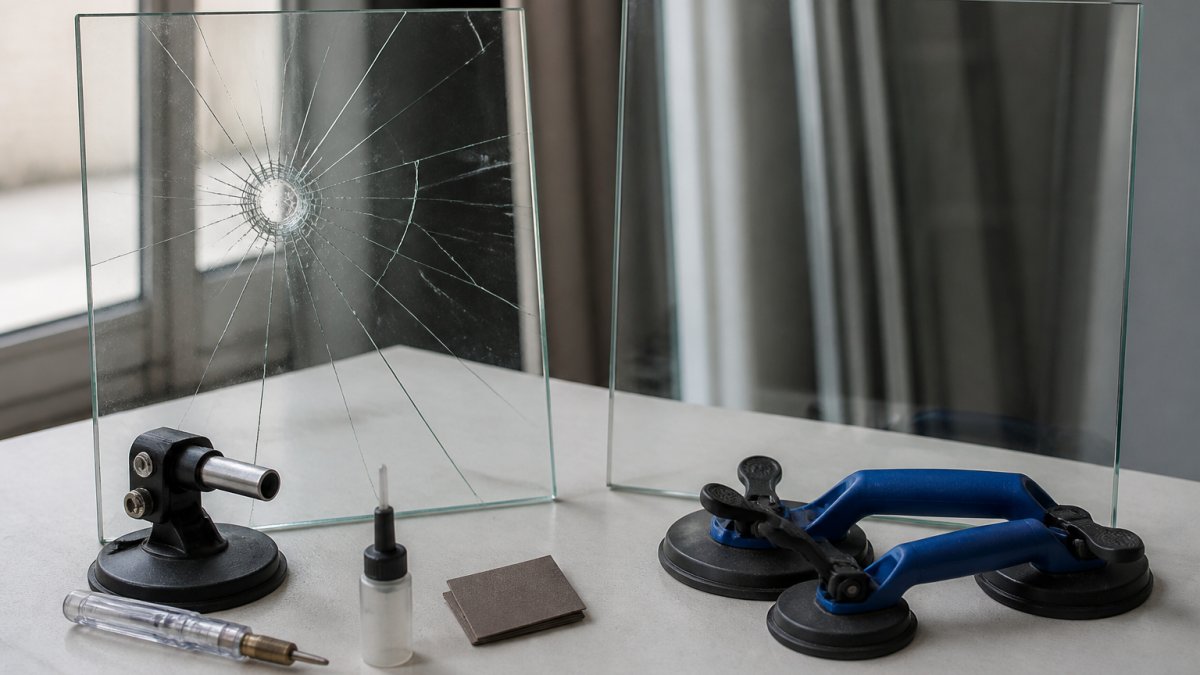
Glass Repair vs Replacement: When to Fix or Replace
Table of Contents
- Glass Repair vs Replacement: Making the Right Choice
- What Types of Window Glass Damage Can Be Repaired
- Signs You Need Window Glass Replacement
- Damage Location and Visibility: A Practical Assessment
- Repair Durability and Long-Term Outcomes
- Window Glass Replacement Cost and Timeline
- Safety and Structural Integrity Considerations
- Frequently Asked Questions
Last Updated: October 21, 2026
Glass Repair vs Replacement: Making the Right Choice
When your window cracks or a chip appears, the first question is whether to repair it or replace the glass. The answer depends on damage size, location, safety, and cost. Understanding when glass repair vs replacement makes sense can save you money and keep your property secure.
At Mr Glass Services, our fully qualified glazier has over 10 years of experience assessing damaged windows. The key is knowing what's repairable and what must be replaced.
Small chips and minor cracks can often be repaired with resin injection. Larger cracks, damage in critical visibility zones, or structural compromise typically require full replacement, a failed repair leaves you worse off than doing nothing.
What Types of Window Glass Damage Can Be Repaired
Small chips and surface damage are the easiest to fix. A chip under 5 millimetres can be sealed with clear resin, which fills the void, hardens, and bonds the glass back together, best when the chip hasn't created sharp edges or deep radiating cracks.
Minor cracks under 30 centimetres are also good candidates. A straight hairline crack without branching can be injected with resin, restoring structural integrity; longer or branching cracks often fail within months.
Damage outside the driver's line of sight is repairable more often than damage in the critical zone. A chip in the lower corner is usually a repair; damage in the direct line of sight, even if small, may need replacement because optical distortion affects safety.
Signs You Need Window Glass Replacement
Some damage cannot be safely repaired. Knowing the warning signs prevents you from investing in a repair that won't last.
Large cracks or extensive damage always require replacement. Cracks longer than 30 centimetres, branching cracks, or damage in more than one area cannot be reliably repaired, resin cannot bridge large gaps or hold unstable fracture patterns.
Cracks in the critical visibility zone should be replaced, even if small. Any optical distortion here affects safety, a 10-millimetre chip in the centre of the windscreen should be replaced, because the repair may leave a haze or slight distortion.
Structural compromise or multiple damage points signal replacement. If the glass is cracked in two or more places, or the frame is damaged, replacement is necessary, a repair addresses only one crack.
Damage Location and Visibility: A Practical Assessment
Where the damage sits determines whether it affects safety and visibility, and which type of glass you are dealing with. Laminated windscreens, tempered side glass, and rear glass behave very differently after damage, which changes the repair-or-replace call.
The driver's line of sight is the area directly ahead used to see the road, roughly the centre third of a windscreen, spanning the wiper sweep, or eye level on side windows. Any optical distortion, haze, or discolouration here interferes with vision, and a resin repair leaves a small optical footprint. Damage outside this zone is far less critical.
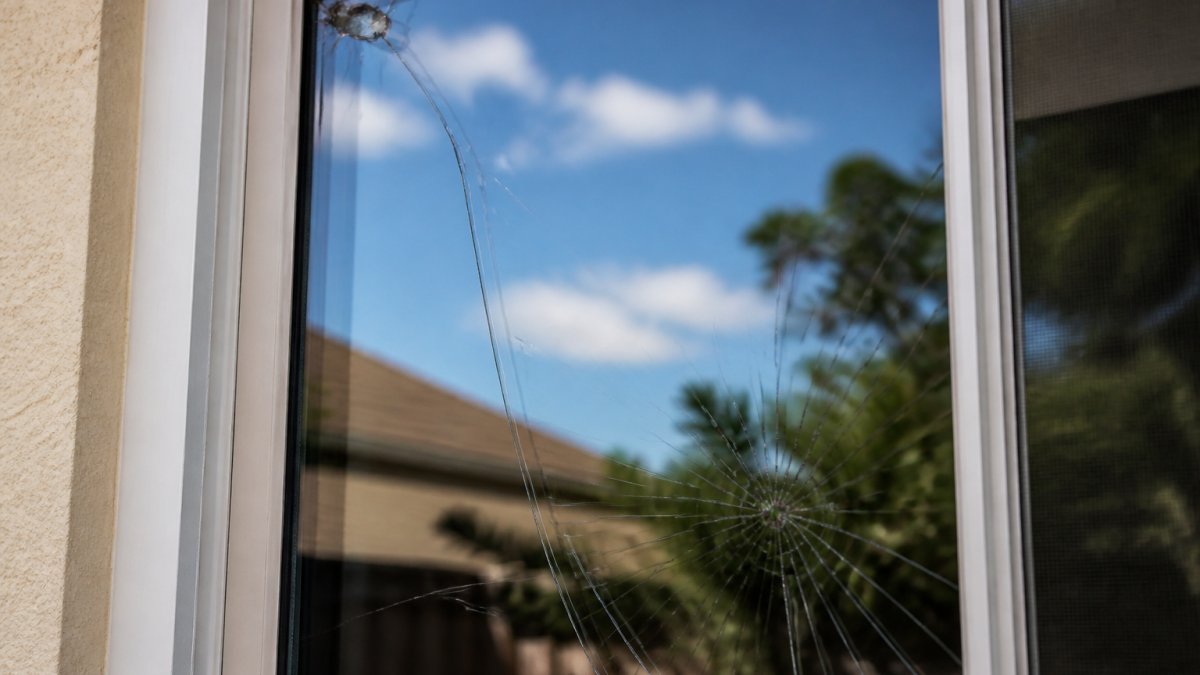
A practical damage-assessment checklist. Before you call anyone, work through these six points:
- Size, measure the longest dimension of the damage. Chips under about 5 mm and cracks under about 30 cm are the usual repair candidates; anything larger leans toward replacement.
- Depth, run a fingernail across the damage. If it catches, the damage has penetrated the outer surface and is more likely to spread. A shallow surface mark is less urgent.
- Location, is it inside the driver's line of sight, near an edge, or over a camera or sensor bracket? Line-of-sight and sensor-adjacent damage favours replacement.
- Number of impacts, one chip is a repair candidate; two or more separate impacts in the same pane usually mean the glass has lost integrity and should be replaced.
- Crack growth, has the damage changed since you first noticed it? A crack that has lengthened or branched is unstable and should not be repaired.
- Glass type, see below. This is the point most guides skip.
Glass type changes the answer.
- Laminated windscreens consist of two glass layers bonded to a plastic interlayer that holds the pane together after a break, which is why windscreens crack rather than shatter. Laminated glass is the most repairable type: resin bonds well to the outer layer, and the interlayer slows damage propagation. Most chip and short-crack repairs are performed on laminated windscreens.
- Tempered side glass is a single sheet heat-treated under tension that breaks into small, blunt fragments by design. A repair site is a weak point in that stress field, so repair is far less reliable, and most practitioners recommend replacement rather than risk a repair that fails and shatters the pane unexpectedly.
- Rear glass varies by vehicle. Many rear windows are tempered, some laminated, and many carry embedded heating elements, antennas, or camera brackets. Damage over an embedded element is difficult to repair cleanly and often warrants replacement; damage away from elements on a laminated rear window can sometimes be repaired.
- Residential and commercial windows are usually annealed or laminated rather than tempered. Annealed glass cracks more readily but repairs predictably; laminated architectural glass behaves much like a windscreen. Tempered architectural glass (often required in doors and low-level panes) should generally be replaced, not repaired.
When in doubt, treat the critical zone as larger than you think. A chip that looks peripheral may sit inside the swept area once seating position and mirror use are accounted for. A glazier can confirm the zone in minutes.
Repair Durability and Long-Term Outcomes
A repair is only worthwhile if it lasts. Understanding how repairs age tells you whether repair is a real solution or a temporary fix.
Resin repairs typically hold for 2-5 years under normal conditions. The resin bonds the glass but isn't as strong as the original, and temperature swings, vibration, and road impacts gradually stress it. Chip repairs may outlast crack repairs because less surface area is sealed.
What happens after repair: The resin may yellow or cloud slightly, and the repair site is usually visible up close. In the driver's line of sight, it may leave a haze, which is why cracks in critical zones are better replaced.
Repair failures are common. A repair that holds for two years may suddenly spread if the glass is hit or exposed to extreme cold. Once a repair fails, the crack usually grows quickly. At that point, replacement becomes urgent.
Replacement is permanent. A new pane has no weak points and is as strong as the original. It costs more and takes longer than repair, but lasts the life of the vehicle or building.
Window Glass Replacement Cost and Timeline
Cost and timing most often tip the repair-or-replace decision. Repair is cheaper and faster; replacement is more expensive but more durable. Understanding what drives each figure pays off before you commit.
Repair is faster and cheaper. A professional resin repair of a chip or short crack typically takes 30-60 minutes: resin is injected under pressure, cured with UV light, and polished flush.
What drives the price up or down:
- Glass type, laminated windscreens cost more than tempered side glass; acoustic or solar-control laminates cost more again.
- Vehicle or building make and model, imported and low-volume vehicles attract higher glass prices and longer lead times.
- Embedded technology, antennas, heated zones, rain sensors, and camera brackets all add cost and complexity.
- Frame condition, rust, damaged seals, or a bent frame must be rectified before new glass goes in.
- Access, upper-floor windows, tight parking, or restricted workshop space add labour.
- Urgency, after-hours or mobile call-outs carry a premium.
Timeline at a glance:
- Chip or short crack repair: 30-60 minutes on site, same-day use.
- Standard side or rear window replacement: 2-4 hours plus 24-hour adhesive cure.
- Windscreen replacement: 2-4 hours plus 24-hour cure before driving; longer if ADAS recalibration is required (see below).
- Specialty or imported glass: add 1-5 business days for parts sourcing.
The ADAS factor. Many modern windscreens carry forward-facing cameras and sensors for lane-keeping, automatic emergency braking, and adaptive cruise control.
The long-run calculation. A cheap repair is cheaper today, but if it fails in two years and you then replace, you have paid for both. For small damage outside the critical visibility zone, repair is usually the better financial call.
At Mr Glass Services, we quote repair and replacement side by side so you can see the real difference rather than a rough guess. We are transparent about what will last and what is a temporary fix.
Safety and Structural Integrity Considerations
Glass does more than let light in. It contributes to the structural strength of windows and doors, and it protects you from injury.
Laminated windscreen glass is bonded in two layers; if it cracks, the layers stay together, preventing glass from flying into the cabin. A repair maintains this safety feature, and replacement restores it fully.
Tempered side glass is designed to shatter into small, less-sharp pieces. A repair is less reliable because the repair site is a weak point, if it fails, the glass may not shatter as designed.
Structural role: Glass helps distribute loads across the frame, so damage that compromises the glass also compromises the frame.
Safety during repair or replacement: A large crack or missing glass is a security risk. Until the work is done, cover the opening with plywood or heavy plastic to prevent entry and further damage.
Deciding between glass repair and glass replacement comes down to damage size, location, and how long the solution must last.
Mr Glass Services has helped homeowners and businesses make this choice. Our fully qualified glazier assesses your damage and recommends the option that keeps your property safe and functional.
Frequently Asked Questions
Can a cracked window be repaired, or does the glass need replacing?
Small cracks under 30 centimetres and not in your direct line of sight can often be repaired using professional resin injection. Larger cracks, cracks spreading across the glass, or damage in critical visibility zones require full replacement. A qualified glass technician can assess your specific damage and recommend the best solution for safety and durability.
What types of window glass damage can be repaired?
Stone chips, small surface cracks, and minor damage outside the driver's visibility zone are typically repairable. Laminated windscreens are easier to repair than tempered side glass because the resin bonds effectively to the laminate layer. Damage that affects structural integrity, spans large areas, or compromises visibility cannot be safely repaired and requires replacement.
Is repairing or replacing window glass more cost-effective?
Repair is usually the more economical choice for minor damage, as it avoids the labour and material costs of full replacement. However, replacement becomes more cost-effective when damage is extensive, affects visibility, or poses safety risks.
How long does residential glass repair or replacement take?
Professional glass repair typically takes 30 minutes to an hour and allows you to use the window immediately. Full replacement usually takes 2-4 hours depending on the window type and installation complexity. Emergency services may be available for urgent situations, and repair time can vary based on the damage type and whether ADAS recalibration is needed after replacement.