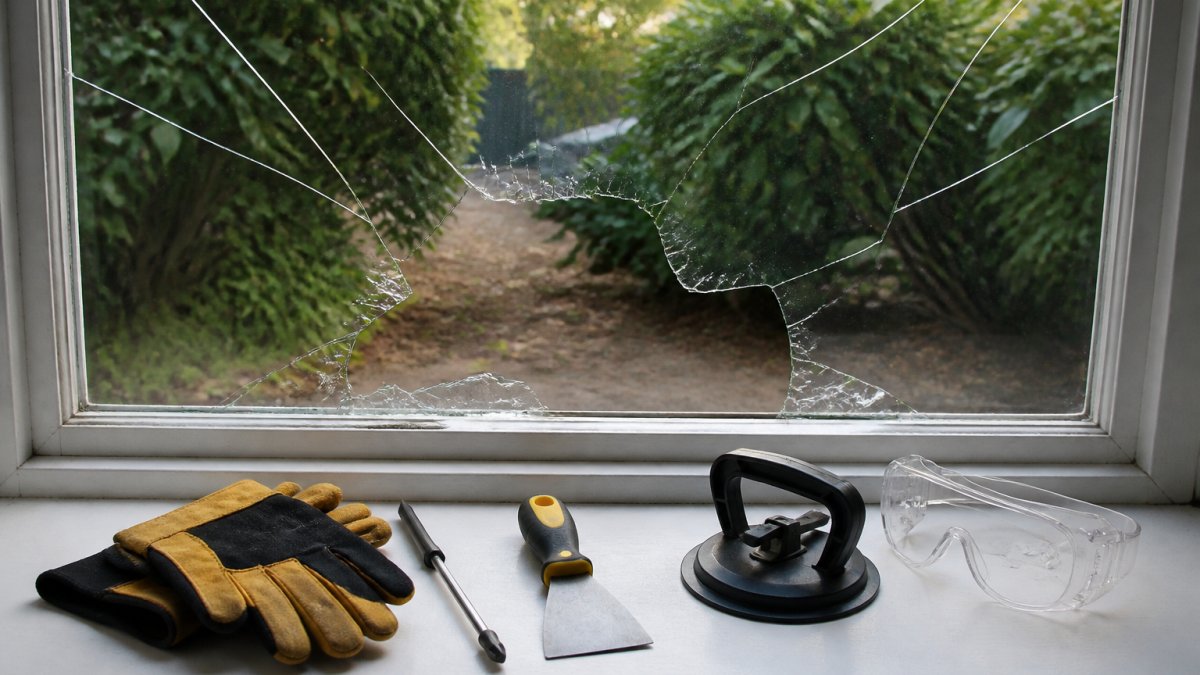
Urgent Glazier for Broken Window: What to Do First
Table of Contents
- Urgent Glazier for a Broken Window: First Steps to Take
- What Emergency Glass Repair Actually Involves
- 24-Hour Glass Replacement: What to Expect from Call to Finish
- Window Glass Replacement Cost: What Drives the Quote
- How to Choose a Glazier When You Can't Wait
- Homes and Businesses: Different Needs, Same Urgency
- Insurance, Documentation and Safety Compliance
- Frequently Asked Questions
Last Updated: October 19, 2026
Urgent Glazier for a Broken Window: First Steps to Take
A smashed pane never waits for a convenient moment. Knowing what to do before an urgent glazier for broken window arrives protects people and property.
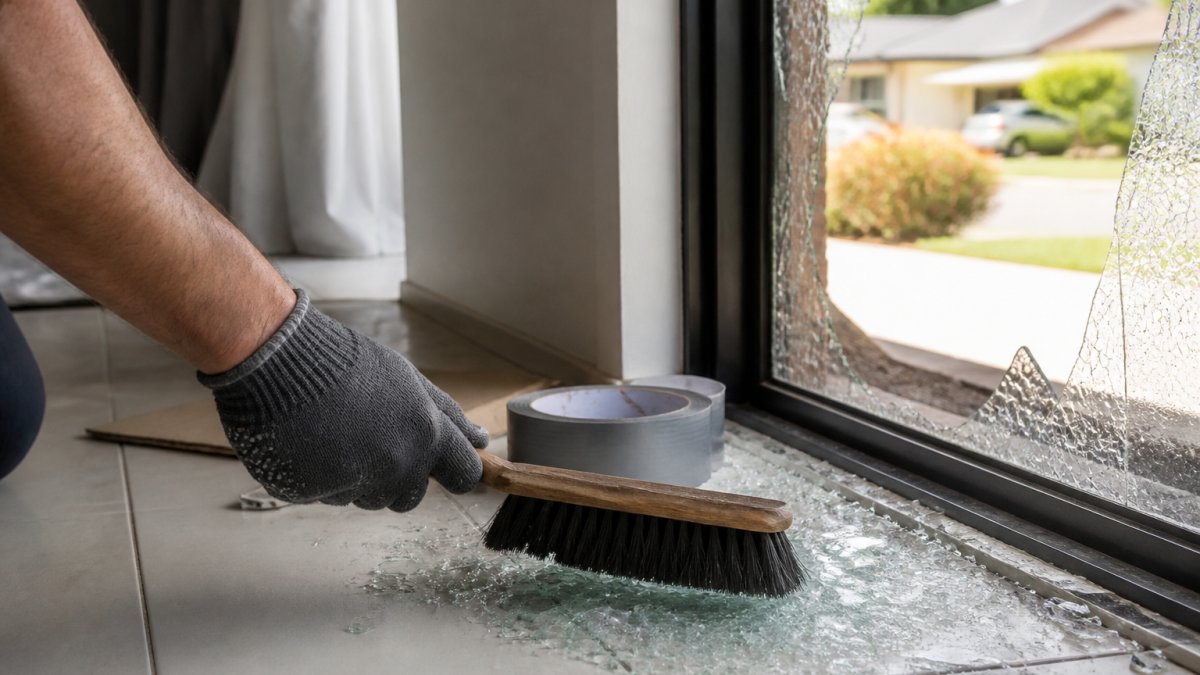
Start with people, not the pane. Move children and pets out, put shoes on, and keep everyone clear of the frame until loose pieces are gone.
Here is the order we recommend:
- Keep everyone out of the room and wear enclosed shoes
- Photograph the damage before touching anything
- Remove loose shards with gloves, never bare hands
What Emergency Glass Repair Actually Involves
Emergency glass repair is the same-day or after-hours replacement or securing of damaged glass so a property is safe and weather-tight again.
The frame decides the job. A bent aluminium frame from a forced entry often needs straightening before new glass will seat properly, so expect the glazier to explain that a temporary board-up is the safer option until a full window replacement can be scheduled.
Repair or Replace: How the Decision Is Made
The decision comes down to three factors: the extent of the damage, the age of the unit, and whether the frame is still true.
- Small chip or crack in a sound frame: often repairable or replaceable as a single pane
- Shattered pane in an intact frame: glass replacement only
- Failed seal in a double-glazed window: the whole sealed unit is normally replaced, not just one sheet
A qualified glazier will tell you plainly which category you are in. If someone quotes a full window replacement for a single cracked pane in a healthy frame, ask why.
24-Hour Glass Replacement: What to Expect from Call to Finish
A 24-hour glass replacement service means the glazier aims to attend and secure or replace the glass within the same day or night, not that every job finishes in an hour.
When you call, expect questions about the address, the type of window or door, the approximate size, and whether the property is secure. A reliable service gives an arrival window rather than a vague promise.
Once on site, the visit usually runs like this:
- Make the area safe and remove remaining glass
- Assess the frame and confirm the replacement approach
- Board up temporarily if the correct glass is not on the vehicle
- Cut and fit replacement glass, then seal and clean up
- Walk you through the finished job and provide documentation
Boarding Up and Temporary Security
Board-up service covers a broken opening with plywood or rigid plastic to secure the property until permanent glass can be fitted. It is a security measure, not a cosmetic fix, and matters most for shopfront and door glass where an open hole invites further trouble. Boarding is common when the break happens after hours, when the glass type is unusual, or when a double-glazed unit has to be ordered; a good glazier makes the opening weather-tight and difficult to breach, then books the permanent replacement.
Window Glass Replacement Cost: What Drives the Quote
Window glass replacement cost depends on the glass type, the size of the pane, whether it is single-pane or double-glazed, access difficulty, and the time of day. Because pricing varies so much by job, we quote each one individually rather than publish a misleading figure, a small single-pane window is a very different job to a large shopfront panel or a sealed double-glazed unit.
The four components of an emergency glazing quote
Every transparent quote should show each of these as a separate line:
- Attendance or call-out fee: a fixed charge for getting a glazier and vehicle to your address, usually higher outside standard business hours, on weekends, and on public holidays. Ask whether the fee is waived if you proceed with the replacement.
- Glass supply: priced by glass type and area. A standard clear single pane is cheapest; laminated safety glass, toughened safety glass, and sealed double-glazed units cost more. Unusual sizes, tinted or frosted glass, and heritage-matched glass carry a premium.
- Labour and installation: removing the broken glass, preparing the frame, fitting, sealing, and cleanup. Access matters, a ground-floor window is straightforward, while a second-storey pane, a tight internal courtyard, or a shopfront with a security shutter adds time and equipment.
What moves the number up or down
The same sized opening can attract very different quotes:
| Factor | Effect on price |
|---|---|
| Time of day | After-hours, weekend, and public holiday attendance typically carries a higher rate |
| Glass type | Safety glass and sealed double-glazed units cost more than standard single panes |
| Access | Upper floors, restricted rear access, and shopfront shutters add labour and equipment |
| Frame condition | A bent or rotten frame may need straightening or repair before glass will seat |
| Urgency | Same-hour attendance can carry a priority charge over a booked arrival window |
| Distance | Remote or outer-suburban addresses may attract a travel component |
Questions that force a clear quote
Ask these directly and note the answers:
- What is the call-out fee, and does it change after hours?
- Is the glass cost quoted per square metre or as a fixed price for my opening?
- Is board-up included, or is it a separate charge?
- Is old glass removal and disposal included?
- What happens to the price if the frame needs work once you arrive?
- Is the quote fixed, or can it change on site?
Why we do not publish a flat price
A published flat rate would be too high for a small cracked pane or too low for a large sealed unit, and either way it would mislead you. Instead we give a clear arrival window, a written itemised quote before work begins, and a plain explanation of any change.
How to Choose a Glazier When You Can't Wait
Choosing a glazier under pressure is where most people get it wrong. The instinct is to call the first number that answers, but a few quick checks protect you from sloppy work and surprise invoices.
Here is how we would compare emergency glaziers:
| What to check | Why it matters | Red flag |
|---|---|---|
| Qualification | A qualified glazier measures and fits glass correctly | Vague answers about credentials |
| Insurance | Covers damage or injury on your property | Refuses to confirm cover |
| Arrival window | Tells you when they will actually arrive | "Sometime today" with no follow-up |
| Written quote | Call-out fee and glass cost itemised | Only a verbal estimate |
| Glass type advice | Recommends suitable safety glass | Fits whatever is on the truck |
| Cleanup | Removes old glass and debris | Leaves the mess for you |
Choosing on price alone is a common mistake: the cheapest call-out often becomes the most expensive job once a rushed fit or the wrong glass type damages the frame.
Homes and Businesses: Different Needs, Same Urgency
Residential and commercial glazing share the same urgency but rarely the same priorities. A homeowner cares about safety, appearance, and getting the family back into the room.
For homes, the focus is usually a broken window, a door glass panel, or a shower screen. For shops and offices, it is shopfront glass, entry door glass, and large panels where a break leaves the premises exposed.
Insurance, Documentation and Safety Compliance
Insurance claims go smoother when the paperwork is done at the time of the break, not weeks later. Photograph the damage before cleanup, keep the glazier's invoice and job report, and note whether the break was accidental, storm-related, or forced entry.
The documentation pack to assemble at the time of the break
Build this file before the glazier packs up, because some of it cannot be reconstructed later:
- Photos of the damage from several angles, including a wide shot showing the whole window and its position in the building, plus close-ups of the break pattern. Impact, stress, and forced entry look different, and your insurer may ask.
- Photos of the cause where relevant: the fallen branch, the damaged flyscreen, the forced frame, the object that struck the glass.
- The glazier's itemised invoice, showing the call-out fee, glass supply, labour, and any board-up charge separately.
How the claims process usually runs
Most insurers follow a similar sequence:
- Report the damage as soon as practical, before or immediately after arranging emergency securing. Most policies expect you to prevent further damage, so boarding up a broken window is usually treated as mitigation, not something to wait for approval on.
- Check your excess. For glass claims the excess is often lower than the standard policy excess, and some policies include glass cover with no excess at all. Ask specifically what your glass excess is.
- Confirm whether you can choose your own glazier. Some insurers have a preferred repairer network; others reimburse you for a licensed glazier of your choice. If you want to use your own, confirm this before work starts.
- Keep the damaged glass or photograph it thoroughly if the insurer asks for evidence. Do not dispose of it until you have confirmed what they need.
- Submit the invoice and photos with your claim reference, and keep a copy of everything you send.
Safety compliance: what glass belongs where
Safety compliance matters too. Glass in certain locations, such as doors and low-level panels, is expected to be safety glass, and a qualified glazier fits the suitable type rather than whatever is closest to hand. The practical distinction is between glass that breaks into large, dangerous shards and glass designed to fail safely:
- Toughened safety glass breaks into small, blunt fragments and is commonly required in doors, side panels, and low-level glazing where people could fall against it.
- Laminated safety glass holds together when broken because of its interlayer, which keeps the opening contained, useful where the glass must stay in place after impact.
- Ordinary annealed glass is the standard single pane and is not safety glass. Replacing a broken safety-glass panel with ordinary glass in a location that requires safety glass is a compliance problem, not just a quality one.
Even if your home or business was built under older requirements, the glazier should still fit safety glass where it is called for. Ask them to confirm in writing what glass type they are installing and why.
For the official position on glass safety in buildings, the National Construction Code sets out the requirements that apply to building work. For consumer rights around home building and repair work, consumer guidance from the ACCC explains what you can expect from a tradesperson.
At Mr Glass Services, we are a family-owned and operated business with over 10 years of industry experience, led by a fully qualified glazier.
Frequently Asked Questions
What should I do immediately after a window breaks?
Keep everyone away from the glass and put shoes on before moving through the area. Sweep or vacuum small fragments carefully, then tape cardboard or heavy plastic over the opening from the inside if it is safe to do so. Do not force a damaged frame or touch glass that is still held in place, because it can drop without warning. Call an urgent glazier to secure the opening properly, and photograph the damage before anything is moved if you plan to claim on insurance.
How quickly can an urgent glazier attend a broken window?
Response times depend on your location, the time of day and how booked the glazier is. A local mobile glazier working in your area can often attend the same day, and after-hours calls are usually prioritised for openings that leave a property unsecured. Ask for a realistic arrival window when you call rather than a vague promise, and confirm whether a board-up can happen first if the correct glass has to be ordered in.
Can a broken window be repaired, or does it need full replacement?
A single clean crack in one pane sometimes qualifies for glass replacement only, which is faster and cheaper than replacing the whole window. Cracks that reach the frame edge, shattered toughened glass, damaged seals in double-glazed units or a bent frame usually mean the full unit needs replacing. A qualified glazier can tell you which applies within minutes of inspecting it, and that assessment directly affects your window glass replacement cost.
How do I check that a glazier is qualified and insured?
Ask for the glazier's licence details and public liability insurance certificate before work starts, and confirm the person attending is a qualified glazier rather than a general handyman. A legitimate operator will provide these without hesitation and will explain what glass type they are installing and why it suits the opening. For anything above ground level or in a commercial shopfront, also ask how they will make the site safe while working.